
Climate change risks fuelling antibiotic-resistant ‘superbugs’
To read this FInancial Times article in full, click here Climate change risks fuelling antibiotic-resistant ‘superbugs’ (ft.com)
Higher temperatures, more flooding, rising pollution, and growing population crowding are all forecast to stoke bacterial resilience to existing drugs. These problems add urgency to international efforts to tackle antimicrobial resistance (AMR) by developing new medicines, and by blocking the pathways through which pathogen immunity spreads. They also mean climate change will loom large when governments gather on the sidelines of the UN General Assembly, in September, to discuss ways to combat AMR.
AMR is most harmful in lower- and middle-income countries that are more vulnerable to the effects of climate change, such as flooding. Anti-microbial resistance to enteric fever — the waterborne disease also known as typhoid — has risen over the past 30 years in 75 countries in which it is endemic, according to a study published in The Lancet Global Health journal in February. The results showed how rising resistance was a “pressing public health issue, jeopardising our ability to treat enteric fever effectively”, said Annie Browne, a spatial modeller and the lead author, on the study’s publication.
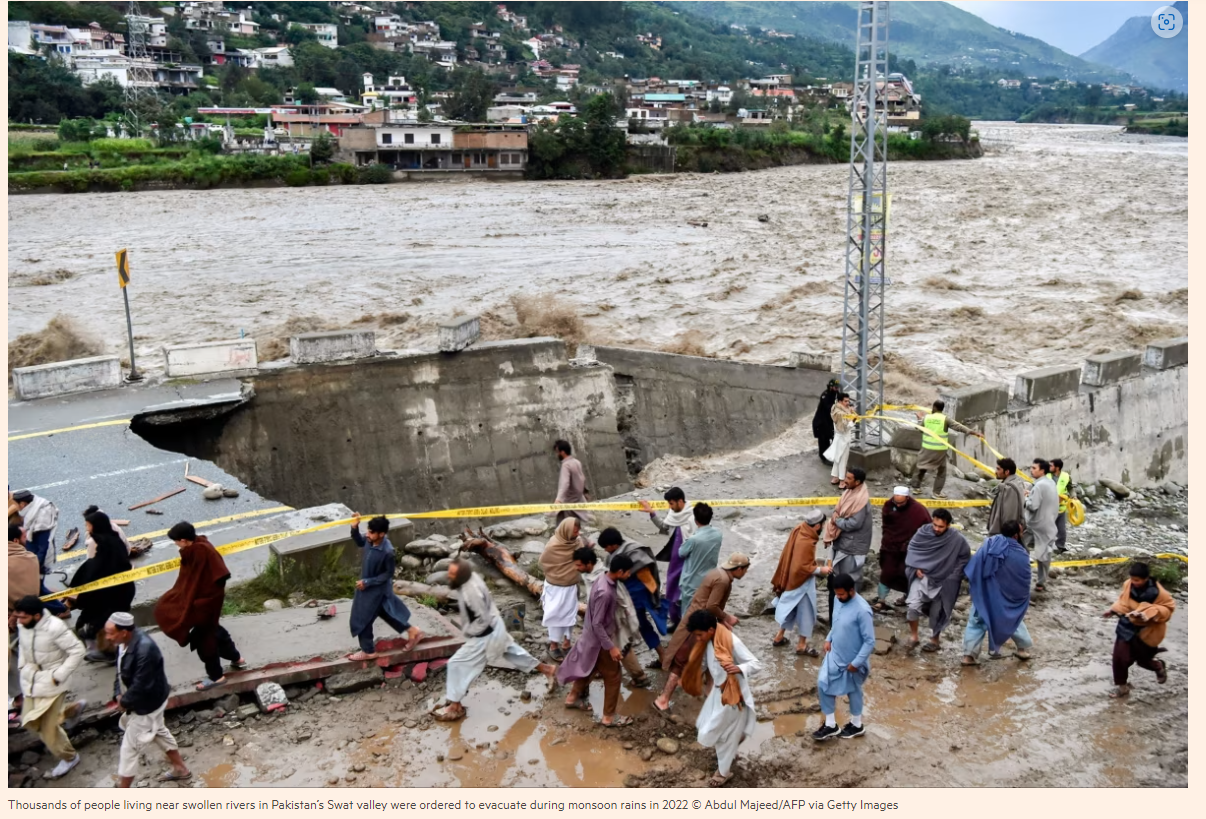
Pakistan, which suffered devastating floods in 2022, has a particularly stark problem with enteric fever AMR. Resistance of one typhoid-causing bacterium to the cephalosporin antibiotics used to combat it had risen as high as 61 per cent in the country by 2019, the researchers found.
One problem is that global heating will tend to speed the growth of bacteria and their so-called horizontal gene transfer — the process by which they exchange genetic material between each other. Higher temperatures are “intimately linked” to AMR because of these twin associations, according to a paper published in the International Journal of Environmental Research and Public Health last year. Greater rainfall and flooding will also increase the risks of horizontal gene transfer due to contamination of water supplies, either directly with antibiotics or human excreta containing traces of the drugs. Wastewater is a “reservoir for antibiotic-resistance genes” (ARGs), according to the environmental research journal’s paper. Another proposed cause of the spread of AMR in wastewater is pollution by microplastics — fragments of debris from consumer products or industrial waste. They are believed to act as breeding grounds for bacteria, allowing them to form “biofilms” that facilitate the transfer of antibiotic-resistant genes.