
Despite continued impact of COVID-19, malaria cases and deaths remained stable in 2021
New data released today by the World Health Organization (WHO) show that countries around the world largely held the line against further setbacks to malaria prevention, testing and treatment services in 2021.
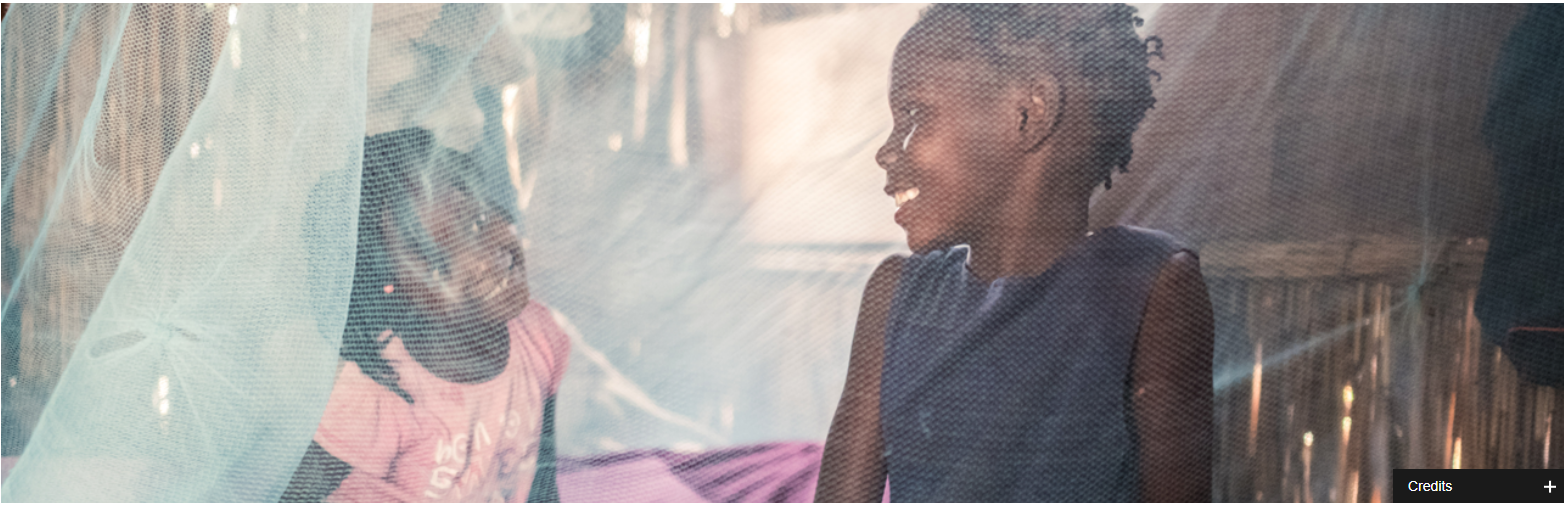
Insecticide treated bednets (ITNs) are the primary vector control tool used in most malaria-endemic countries and, in 2020, countries distributed more ITNs than in any year on record. In 2021, ITN distributions were strong overall and at similar levels to pre-pandemic years: of the 171 million ITNs planned for distribution, 128 million (75%) were distributed. However, eight countries (Benin, Eritrea, Indonesia, Nigeria, Solomon Islands, Thailand, Uganda and Vanuatu) distributed less than 60% of their ITNs, and seven countries (Botswana, Central African Republic, Chad, Haiti, India, Pakistan and Sierra Leone) did not distribute any ITNs.
Despite successes, efforts face many challenges, particularly in the African Region, which shouldered about 95% of cases and 96% of deaths globally in 2021.
A decline in the effectiveness of core malaria control tools, most crucially ITNs, is impeding further progress against malaria. Threats to this key prevention tool include insecticide resistance; insufficient access; loss of ITNs due to the stresses of day-to-day use outpacing replacement; and changing behaviour of mosquitoes, which appear to be biting early before people go to bed, and resting outdoors, thereby evading exposure to insecticides.Other risks are also rising, including parasite mutations affecting the performance of rapid diagnostic tests; growing parasite resistance to the drugs used to treat malaria; and the invasion in Africa of an urban-adapted mosquito that is resistant to many of the insecticides used today.
WHO recently launched 2 strategies to support countries in the African continent as they work to build a more resilient response to malaria: a strategy to curb antimalarial drug resistance and an initiative to stop the spread of the Anopheles stephensi malaria vector. Additionally, a new global framework to respond to malaria in urban areas, developed jointly by WHO and UN-Habitat, provides guidance for city leaders and malaria stakeholders.
More information here: Despite continued impact of COVID-19, malaria cases and deaths remained stable in 2021 (who.int)