
India facing a pandemic of antibiotics-resistant superbugs
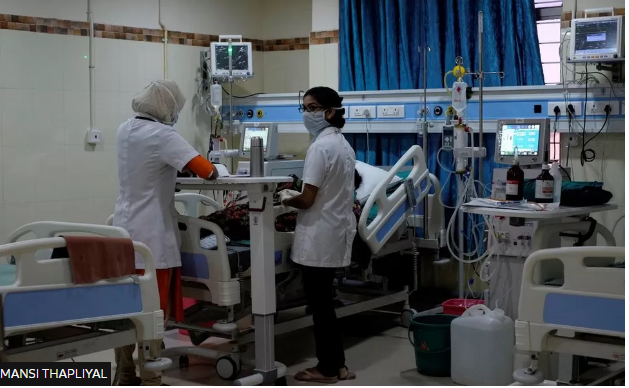
At the 1,000-bed not-for-profit Kasturba Hospital in the western Indian state of Maharashtra, doctors are grappling with a rash of antibiotic-resistant "superbug infections".
India is one of the countries worst hit by what doctors call "antimicrobial resistance" - antibiotic-resistant neonatal infections alone are responsible for the deaths of nearly 60,000 newborns each year. A new government report paints a startling picture of how things are getting worse. Tests carried out at Kasturba Hospital to find out which antibiotic would be most effective in tackling five main bacterial pathogens have found that a number of key drugs were barely effective. Most concerning was the emergence of the multidrug-resistant pathogen called Acinetobacter baumannii, which attacks the lungs of patients on life support in critical care units.
A new report by Indian Council of Medical Research (ICMR) says that resistance to a powerful class of antibiotics called carbapenems - it defeats a number of pathogens - had risen by up to 10% in just one year alone. The report collects data on antibiotic resistance from up to 30 public and private hospitals every year. Saswati Sinha, a critical care specialist in AMRI Hospital in the eastern city of Kolkata, says things are so bad that "six out of 10" patients in her ICU have drug-resistant infections. "The situation is truly alarming. We have come to a stage where you are not left with too many options to treat some of these patients."
A widespread lack of knowledge about antibiotics means that most patients - rural and urban - are not aware of antibiotic resistance. Even the rich and educated take antibiotics if they fall ill or pressure doctors to prescribe antibiotics. As prices of antibiotics fall and diagnostics remain expensive, doctors prefer to prescribe drugs rather than order tests.
More here